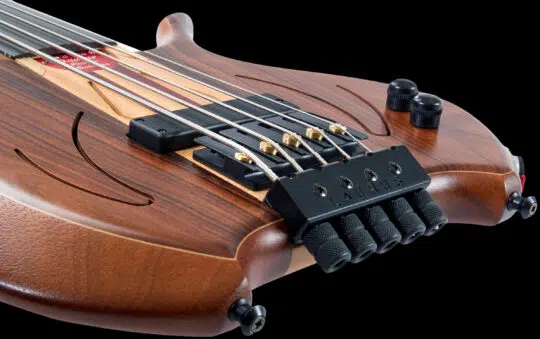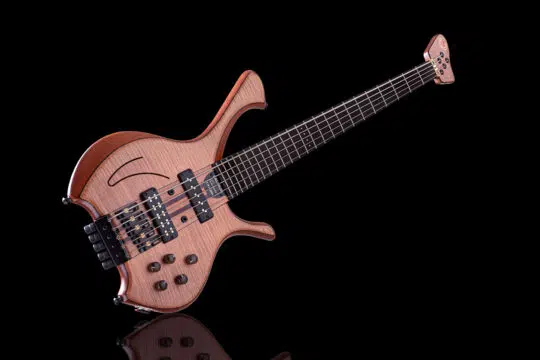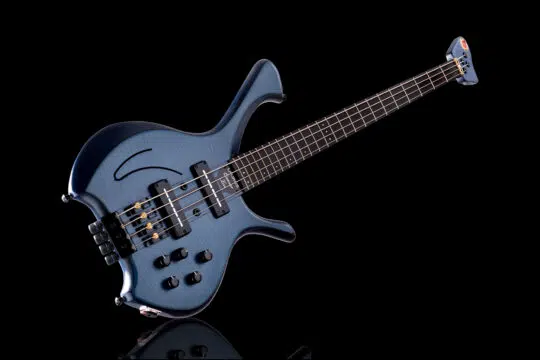


Electric Bass Federico Malaman Signature
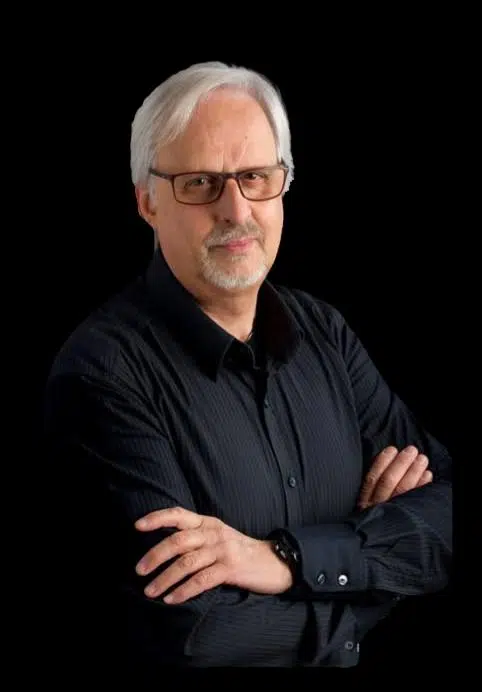 The history of Laurus and its founder, Pierluigi “Piero” Cazzola, is a tale of visionary genius rooted in the artisanal district of Schio, Italy. Having developed his musical roots in the 1960s with the youth band “I Neonati,” Cazzola developed an obsession with the anatomy and acoustic response of the electric bass through renting and studying early instruments. The defining epiphany came while watching the legendary Ares Tavolazzi play a bass by the US-based Alembic, a pioneer of high-precision active lutherie. After graduating from technical school, Cazzola chose to reject a conventional career to dedicate himself entirely to lutherie, unveiling his first revolutionary fan-bodied prototype at the 1985 SIM trade show in Milan, where it was awarded one of the top five instruments of the event.
The brand’s rise is closely linked to a historic collaboration started in 1984 with Red Canzian of Pooh, for whom Cazzola created a special hand-carved radial-section model. Since then, the Schio workshop has become a global benchmark for bassists, producing a limited output of about forty instruments per year—each numbered, signed, and treated by the artisan as a unique piece. Laurus’s focus has never been to imitate the past, but to solve the physical problems associated with the instrument: the pursuit of sustain, the elimination of “dead spots” on the fretboard, and total ergonomics for the musician’s postural health.
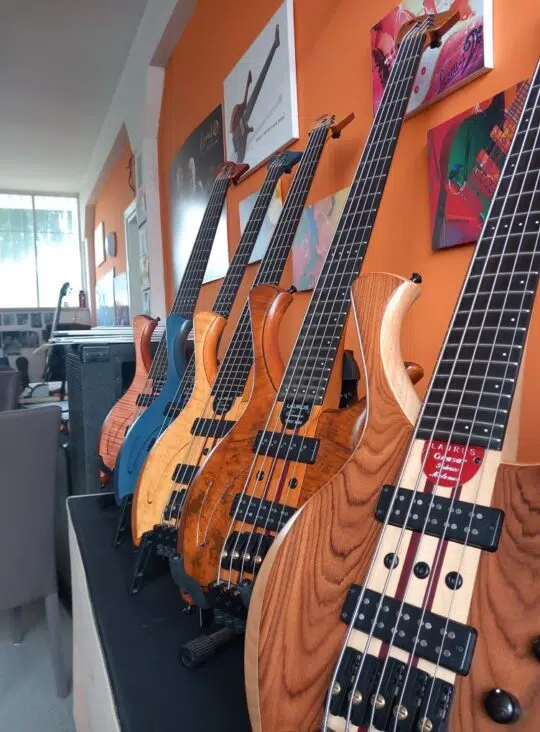 Laurus production has redefined the standards for 4, 5, and 6-string basses, both in fretted and fretless versions, through models that have made history in the fusion of lutherie and avant-garde design:
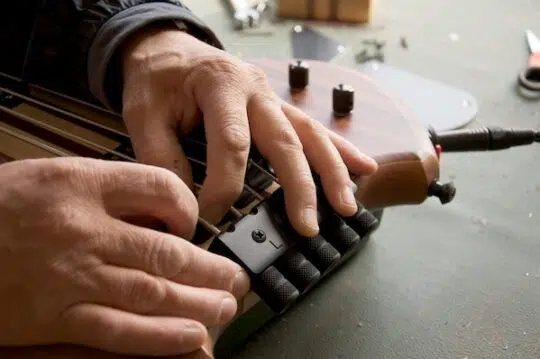 Pierluigi Cazzola’s philosophy transposes the physical principles of classical bowed lutherie (inspired directly by the teachings of Italian masters) onto the structure of the solid-body electric instrument:
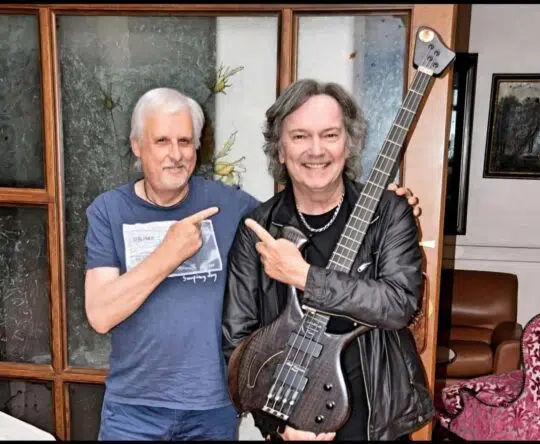 The value of Laurus is witnessed by a dense network of historical collaborations. Patrick Djivas, legendary bassist of Premiata Forneria Marconi (PFM), was one of the brand’s first great endorsers as early as 1985, bringing the Stylish model into the most important recording studios of the era. Red Canzian has tied his image to Schio’s basses for over forty years, serving as an extraordinary popularity vehicle for the brand.
Continuous research has been fueled for twenty years by the partnership with Federico Malaman, with whom Cazzola constantly refines the dynamic flow and ergonomics of new models. Other illustrious artists who have chosen the Laurus sound identity include Attilio Zanchi, Alfredo Paixao (long-time collaborator of Pino Daniele), Cico Cicognani, Enzo Lo Greco, Dante Pergreffi (Nomadi), Rossano Eleuteri (Nek, Ivan Graziani), and Andrea Balasso.
The Laurus Schio workshop operates as a high-end acoustic tailoring atelier, offering:
Showing all 4 results