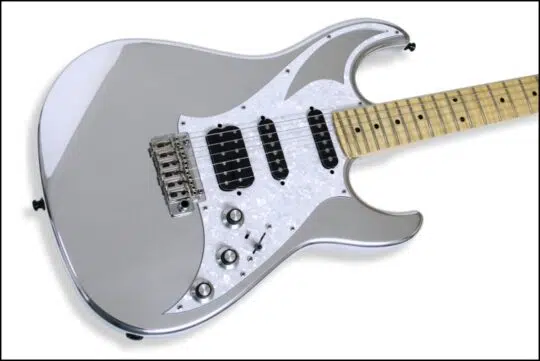

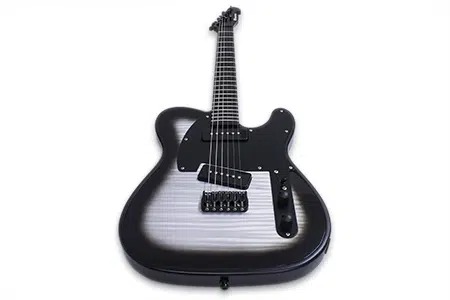
Hybrid T90 A Electric Guitar
Custom Worldwide Shipping.
Pricing may vary based on requested customizations, order processing, and shipping destination. Please request a quote.
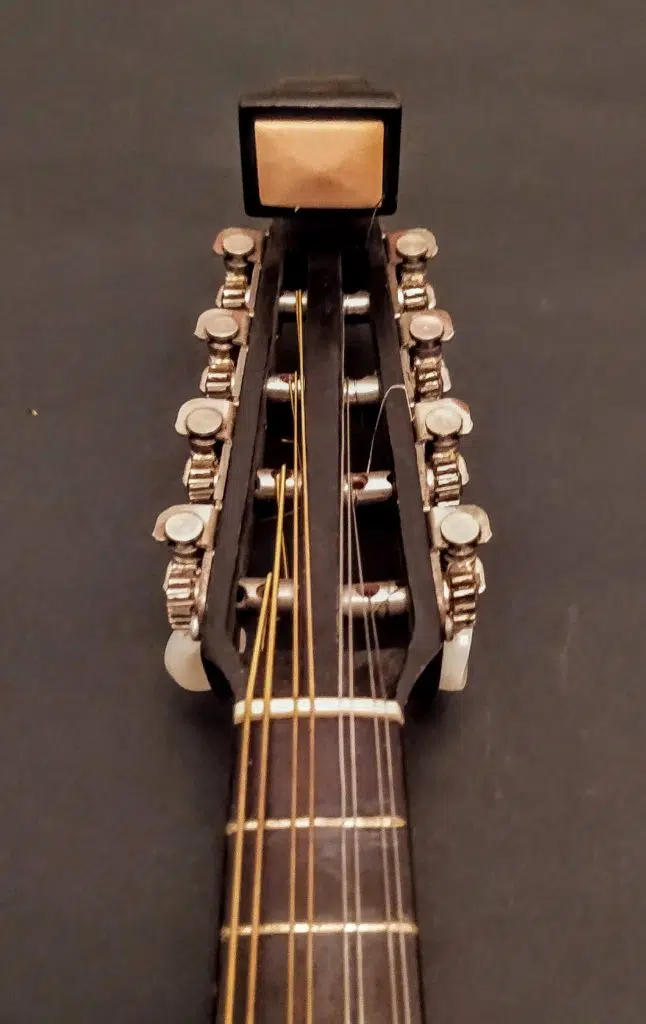
The Piccolo mandolin was born from a need as ancient as it is ingenious: to make the highest notes accessible without the need for impossible virtuosity. In the 19th century, most plectrum players were amateurs with little practice and even less time; reaching the high notes on a traditional mandolin — where the frets become very narrow — was a feat for a chosen few.
The solution? Move the “difficult” part to the beginning of the fretboard, where the frets are wider and the hand works comfortably. Thus was born this brilliant and surprising instrument, capable of preserving the voice of the mandolin but with a liveliness all its own.
Today the sopranino mandolin finds new life: it is perfect for introducing children and beginners to the world of plucked instruments, but it also knows how to fascinate expert musicians looking for a special timbre, agile and bright as a ray of light.

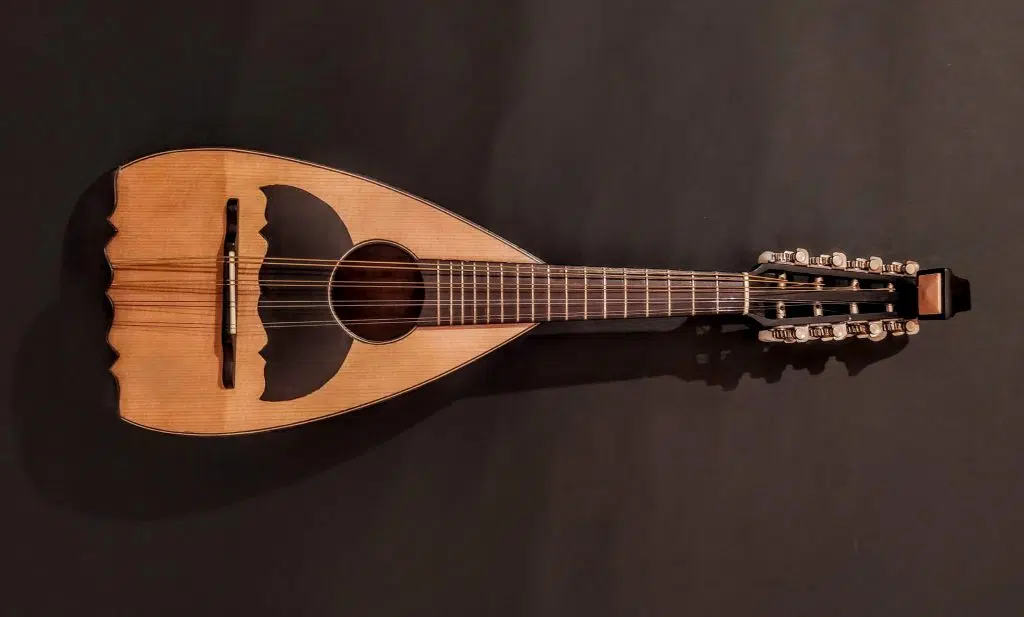


Sopranino mandolin model also called quarter mandolin