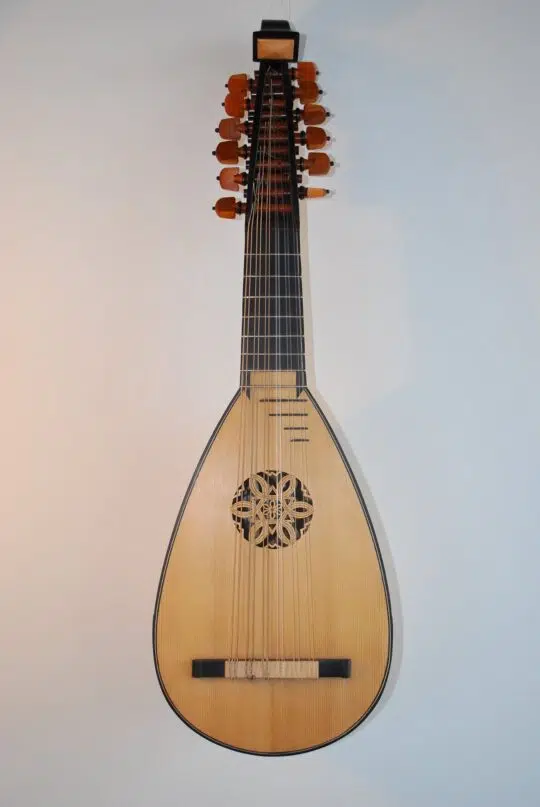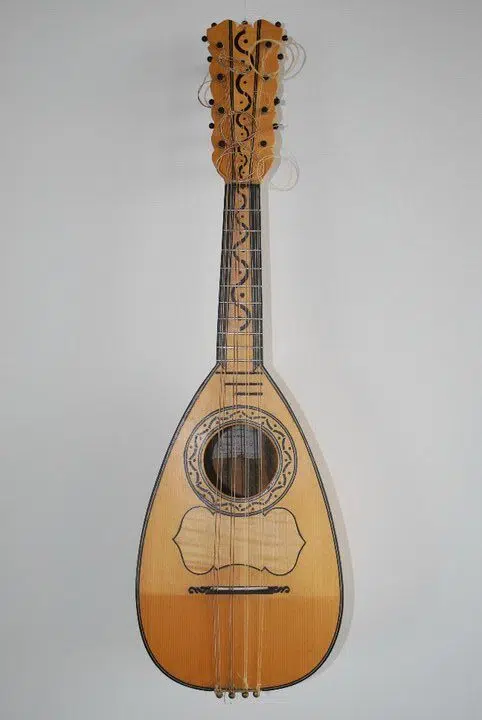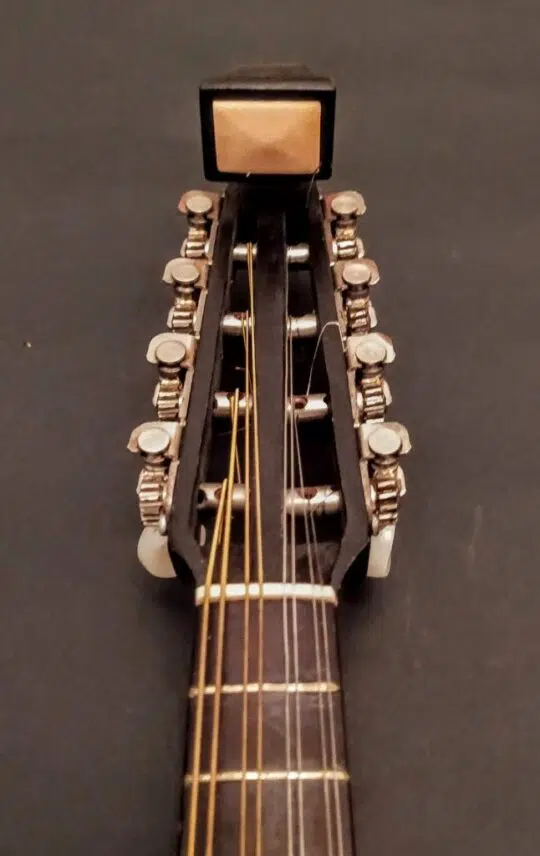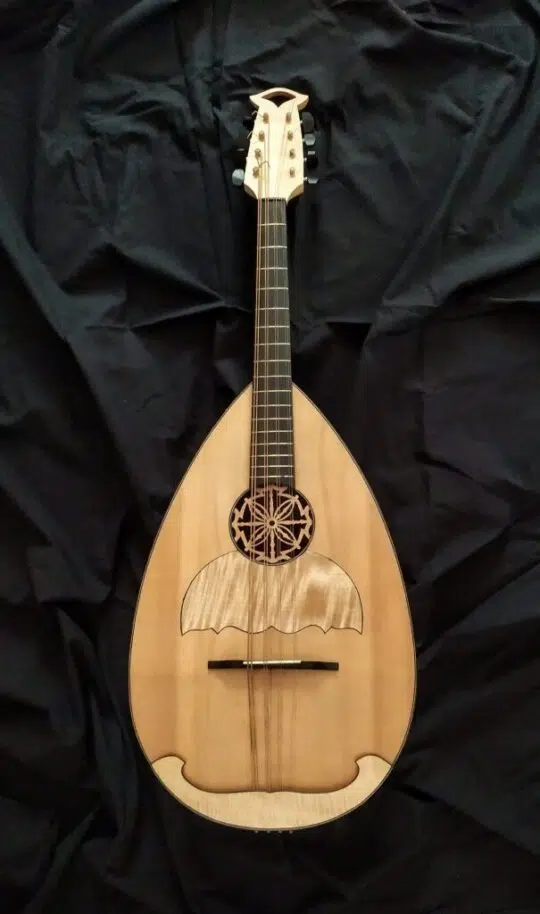

Alto Mandola Vorraro
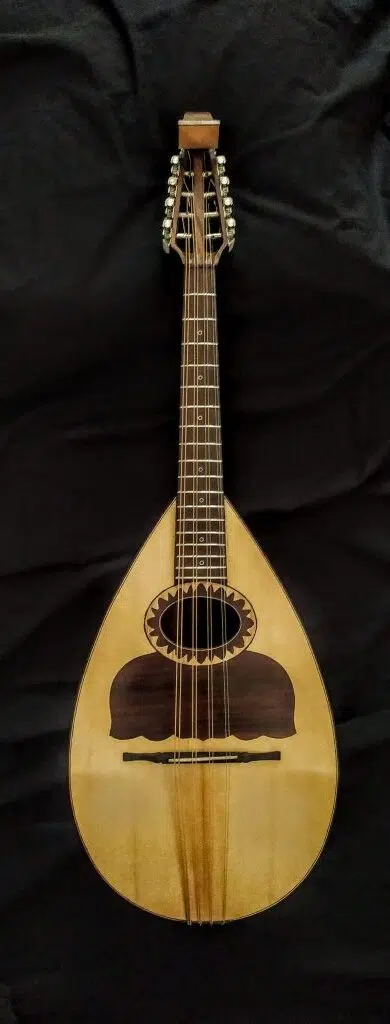
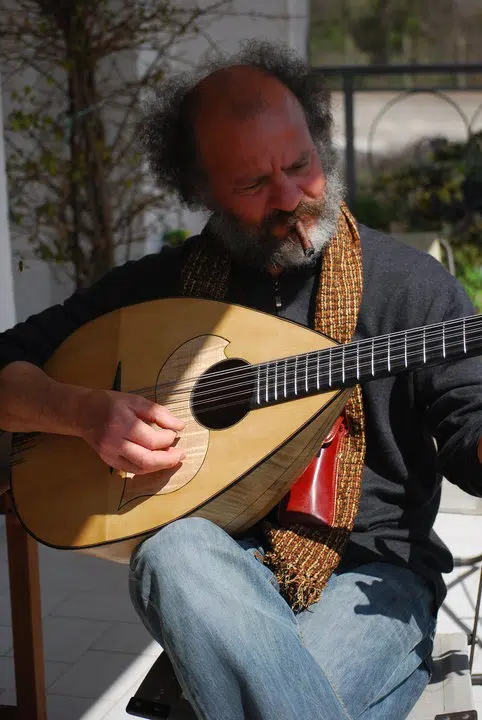
Born in Naples in 1960, Mario Vorraro brings together two souls: that of an authentic musician deeply immersed in the tradition of Neapolitan popular music — mandolinist, guitarist (especially of the chitarra battente) — and that of a luthier who, since 1993, has dedicated himself to building and restoring plucked and plectrum instruments.
His musical career, filled with collaborations with major artists such as Roberto De Simone, Mario Merola and many others, has given him the ear, sensitivity, and awareness of what truly makes an instrument “sound good.” From this experience came the decision to create instruments that respond to the needs of musicians: freed from anything superfluous, balanced, essential in their beauty — instruments on which “the sound can walk without obstacles.”
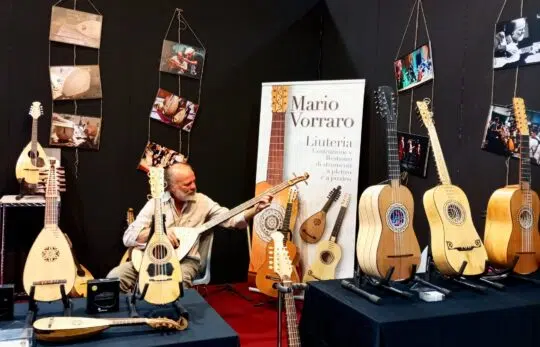
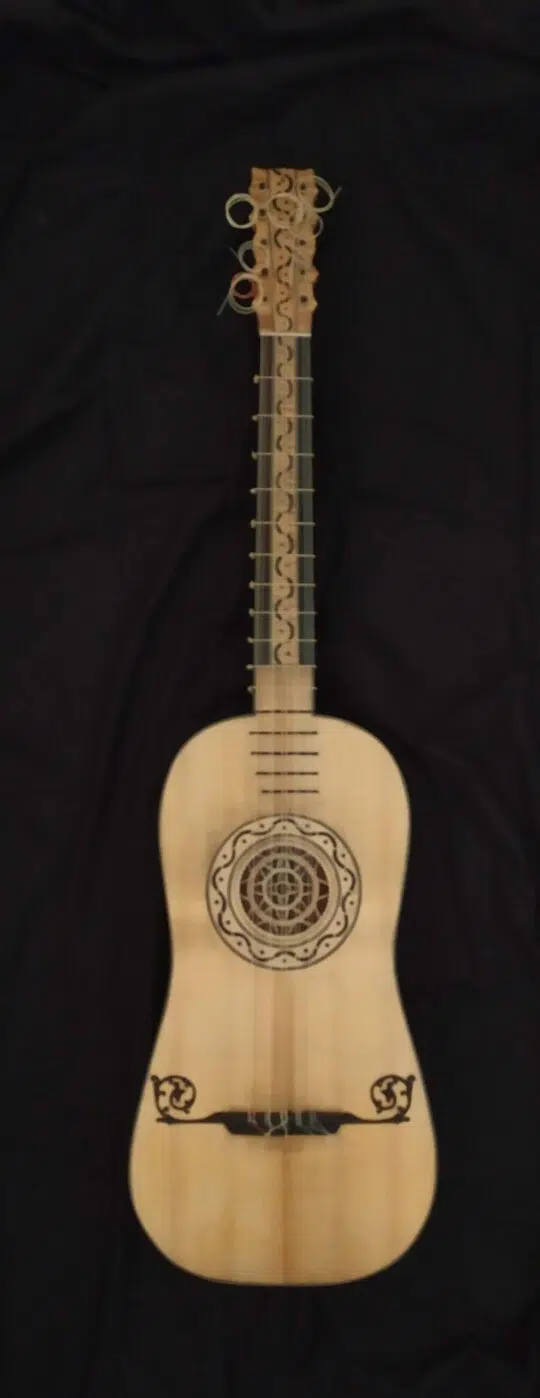
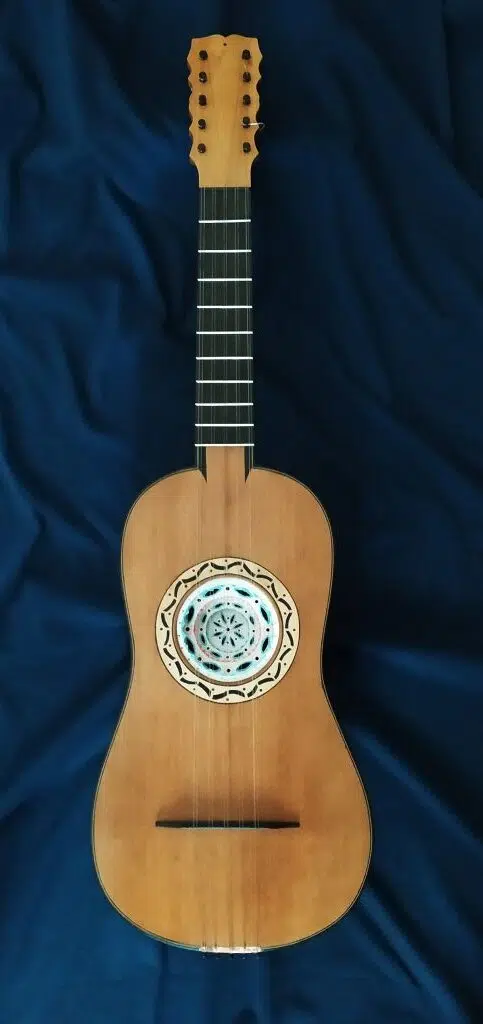
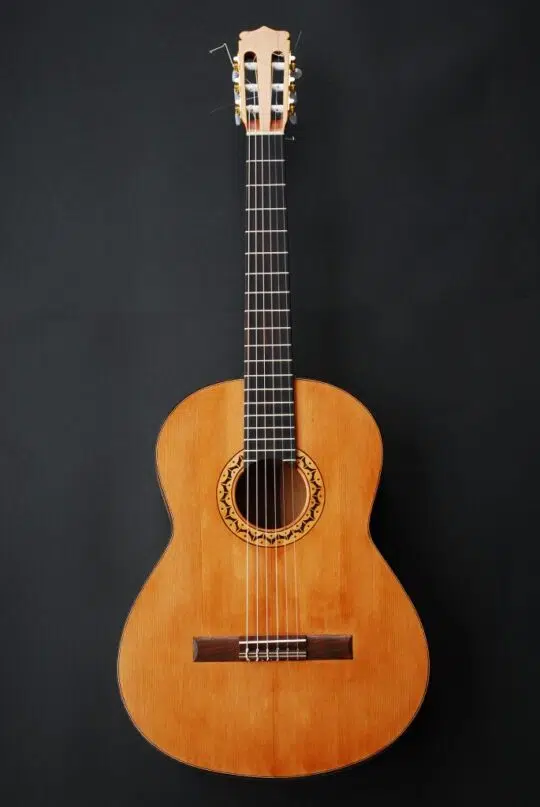
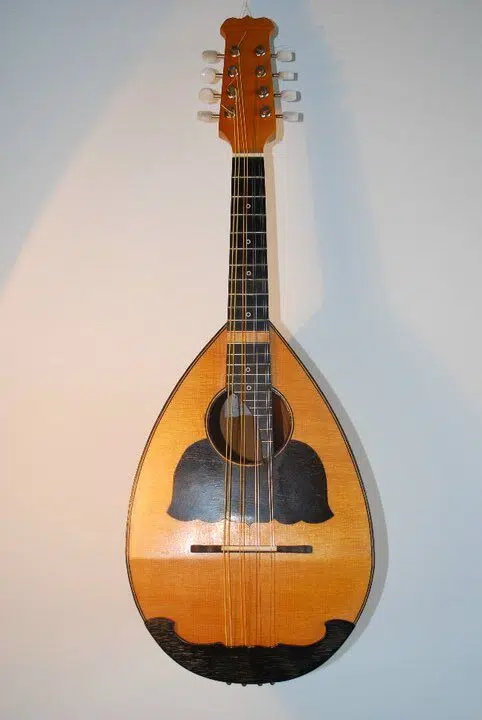
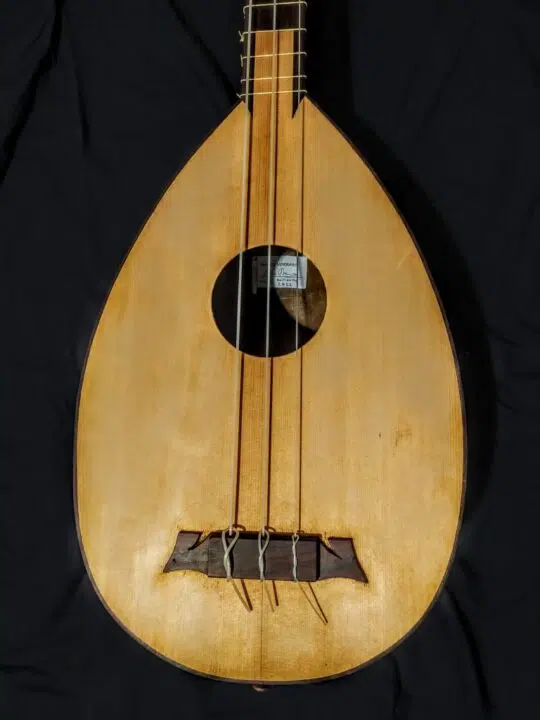
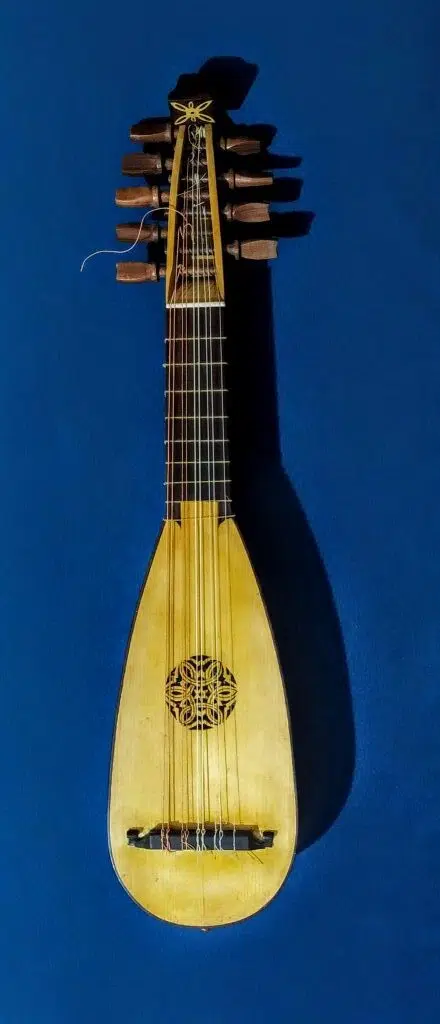
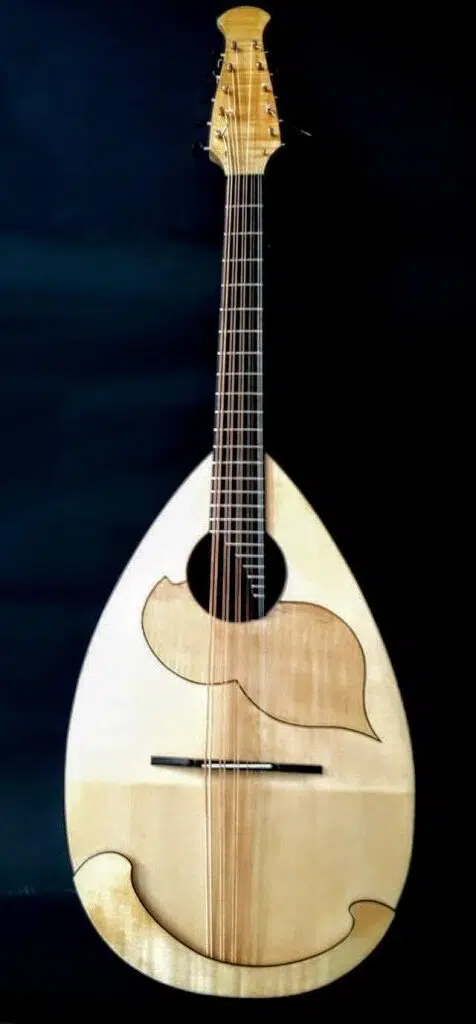
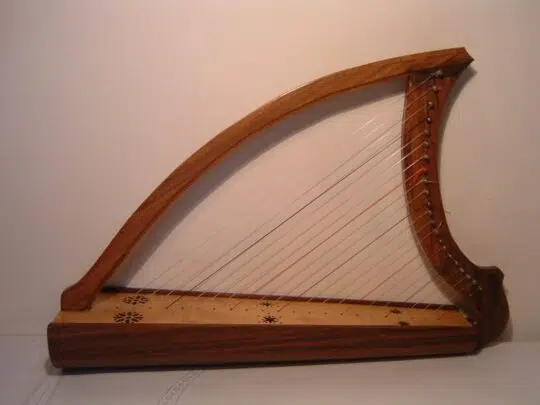
The collection signed by Mario Vorraro focuses on traditional Neapolitan and Southern Italian stringed instruments, built with fine woods (maple, rosewood, spruce, ebony, cypress) and designed for demanding players. Among his main models:
His construction philosophy emphasizes lightness (“removing anything superfluous”), sonic purity, and acoustic balance: reduced mass, selected woods, and calibrated adjustments — to the body, scale length, string gauge — for better intonation, greater vibration, and full tone. Repair and restoration services complete the offering, allowing musicians to keep their instruments alive over time.
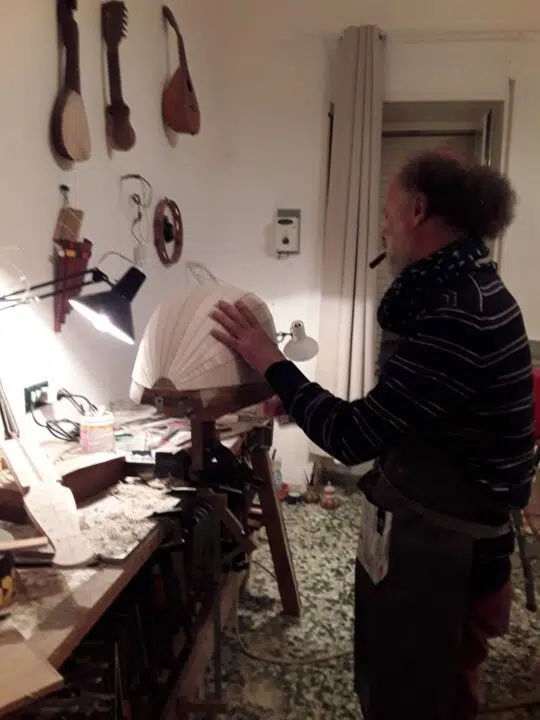
Mario Vorraro’s construction process is the result of a vision that blends tradition with research. The core points of his philosophy are:
Vorraro works alone in an intensely artisanal manner, in his workshop in Roccarainola (NA), with a personal approach and a deep musical sensibility. His belief: an instrument should be “not only beautiful to look at, but capable of making the player sound better.”

The creations of Mario Vorraro are profoundly influenced by his experience as a musician — mandolinist and guitarist — through which he has collaborated with key figures of Neapolitan, Italian, and international music such as Mario Merola, Roberto De Simone, Gigi D’Alessio, Gigi Finizio, Michael Bublé and others.
His lutherie activity was born from his desire to move beyond instruments that “did not satisfy him as a musician,” and this dual perspective allows him to see the instrument through the eyes of both the player and the maker — a combination that enables him to craft effective and highly personal technical solutions.
In Mario Vorraro’s workshop, it is possible to book guided visits — a rare opportunity to observe closely how plucked and plectrum instruments are made, following every phase: from wood selection, to assembly, to final setup. Personalization is total, and instruments are produced in very limited editions (0–10 pieces per year), ensuring uniqueness and artisanal care.
If you’re looking for an instrument that “responds to your touch,” one that carries the history of popular music and the precision of traditional lutherie, Mario Vorraro is the perfect choice.
Showing all 13 results